Adding a metal to the book: what breaks in your reconciliation
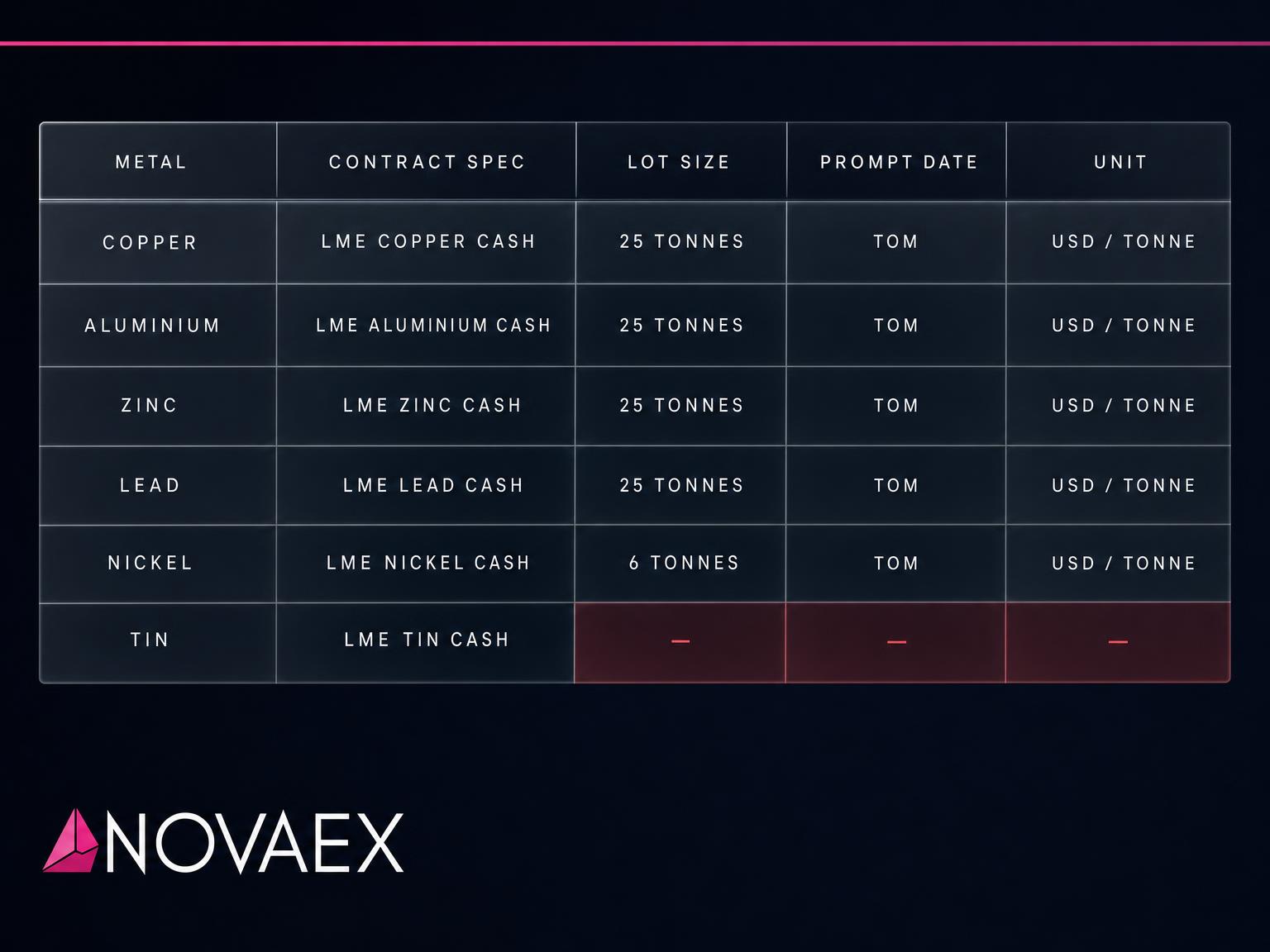
Growth breaks reconciliation first. The three mappings to check before the next metal lands — lot size, prompt date, units — line by line.
Adding a sixth metal does not break your reconciliation because the metal is difficult. It breaks because every mapping built for five metals assumed the sixth would look like them. Audit those mappings before the next metal lands and the book stays whole; wait until month-end and the breaks read as market moves.
Your five-metal book reconciles today. Physical, hedge and broker lines meet. Then nickel or tin arrives with a different lot size, a different prompt-date rhythm and a different unit, and the same logic starts producing breaks that look like P&L. They are mapping failures. Three of them cause nearly all of it.
Why does a new metal break a book that already reconciles?
A working five-metal book runs on copied setup. The new metal inherits the contract code format, the lot-size divisor, the prompt-date calendar and the unit conversion of whichever metal was entered first. That inheritance is the break.
Each LME base metal carries its own contract specification, and the sixth row rarely matches the template it copies. Tonnage reconciles on screen while the broker confirms something else. The position looks whole until the invoice or the margin call says otherwise. The fix is to pull the new metal out of the shared template and check its own three mappings line by line.
What breaks first: contract specs and lot sizes?
Contract specs and lot sizes break first because every calculation below them divides by this number. Tonnage, hedge quantity, MTM and exposure all follow the divisor.
The standards are public exchange data. LME copper contracts specify a 25-tonne lot quoted in US dollars per tonne with physical settlement, and aluminium, zinc and lead follow the same 25-tonne standard LME Copper, LME lots overview. Nickel breaks the pattern at 6 tonnes per contract, confirmed in the LME rulebook alongside 5-tonne tin warrants LME rulebook zinc jumbos notice, LME lot summary.
Metal LME lot size
Copper 25 tonnes
Aluminium 25 tonnes
Zinc 25 tonnes
Lead 25 tonnes
Nickel 6 tonnes
Tin 5 tonnes
A sixth metal booked through a 25-tonne template when it should divide by six or five misstates every hedge line from the first confirmation. Check the contract code, the lot size and the settlement terms against the exchange specification before the first trade books. An error here is the most checkable mistake in the book. Get this row right and half the later breaks never appear.
What breaks second: prompt dates and quotation periods?
Prompt dates break second because the LME calendar is not one calendar. LME futures trade daily out to three months, weekly up to six months and monthly up to 123 months depending on the metal, with weekly prompts usually on a Wednesday and monthly prompts normally the third Wednesday of the month LME prompt-date structure.
Most open interest clusters on those third-Wednesday prompts, and market shorthand like the December contract means the third-Wednesday December prompt. A new metal mapped to a generic month-end date, or to daily prompts where only weeklies exist for that tenor, leaves hedges sitting against physical priced on a different day. The basis moves in the gap and the break surfaces as an unexplained P&L swing.
Check the prompt-date calendar per metal, per tenor. Daily, weekly, monthly — and which Wednesday counts. Then check the quotation period on the physical side matches the prompt on the hedge side. The LME aluminium contract specification shows the shape: a 25-tonne contract for delivery on a specified prompt date, with the third-Wednesday contract as the options underlying.
What breaks third: units, currencies and cross-exchange maths?
Units break third because the same metal is quoted differently on each venue. LME quotes in dollars per tonne; COMEX quotes copper per pound. The conversion runs at 2,204.62 pounds per metric tonne COMEX-LME conversion, unit conversion constants, and COMEX copper delivers 25,000 pounds per contract within tolerance CME delivery process.
A new metal that adds a COMEX or SHFE leg inherits the old conversion or none at all. Pounds booked as tonnes. Yuan booked as dollars. LME and MCX live on screen; COMEX and SHFE computed into the arbitrage view — so confirm which leg is displayed and which is computed before the reconciliation reads them as like for like.
Check the unit, the currency and the venue rule together. One line per leg: quoted in what, converted at what, delivered in what.
How do you audit the three mappings before the next metal lands?
Run one test parcel through physical, hedge and broker books before volume follows. One contract specification against the exchange rulebook. One lot-size divisor against the broker confirmation. One prompt-date calendar against the physical quotation periods. One unit and currency pair against each venue leg.
If the three lines meet on tonnage, prompt and value, the mapping holds. If they do not, you have found the break while it is still a correction. The trail behind each figure shows it line by line, so the check takes an hour and saves the close.
Square it before the next metal lands.