First automated LME options expiry is tomorrow: what to check today
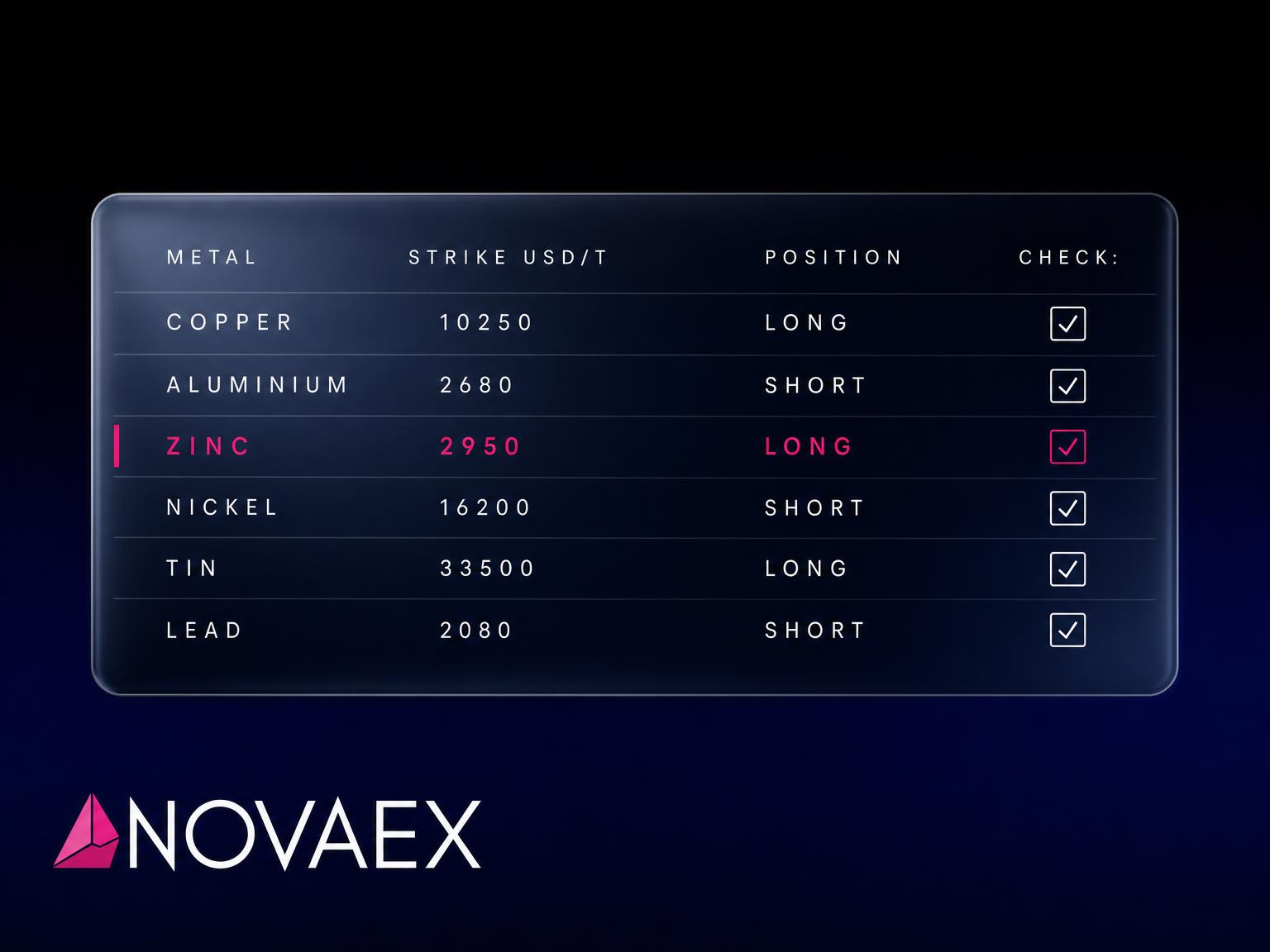
Tomorrow is the first automated LME options expiry. Four checks to run today: near-the-money strikes, exercise assumptions, the broker reconciliation, and the sign-off.
First automated LME options expiry is tomorrow, 7 October. Today is the day to square the book by hand: strikes near the money, exercise assumptions under the new automated process, and the broker's version of your position against your own.
Which positions actually need your eyes today?
The only positions that can surprise you tomorrow are the ones sitting close to the strike. List every open option position by metal and strike, and flag anything near the money where a small move in the closing price changes the outcome. Those lines get checked line by line; everything deep in or far out can wait.
Pull the list from your own book first, not the broker's. Your record of what you hold, per metal and strike, is the version you reconcile against. If two people on the desk hold different versions of the same position, that disagreement is today's work, not tomorrow's.
What does your broker think you hold?
Under the old manual process, nothing happened unless a client told the broker to exercise, through layers of messages between client, clearing member and LME Clear. That chain is where exercise errors lived. The move to automated expiry exists to remove it, which also means your standing instructions and the broker's records now decide the outcome without a phone call to catch a mistake.
So reconcile today. Send the broker your position list and ask for theirs back: strikes, tonnage, long or short, and the exercise and abandonment instructions held against each line. Where the two lists differ, close the gap today. A mismatch found tomorrow is a correction; a mismatch found at month-end is an explanation.
What are your exercise assumptions under automated, European-style expiry?
The LME moved to automated expiry and European-style options on 21 September 2026, in a single-day cut-over. European-style means the option is exercisable at expiration, and automation means in-the-money positions are handled under the published automatic exercise process rather than by manual notice. The first automated expiry under that process falls on 7 October. The change is described in the LME's options roadmap and its consultation on automating the metal options expiry process.
Read that against each flagged line. For every position near the money, write down what you expect to happen tomorrow: exercised, abandoned, and what the resulting futures or cash position looks like. Pay attention to shorts, where someone else's exercise decision becomes your assignment, and to any line where your old habit was to decide on the day. Under the new process, the day decides for you.
Where your assumption differs from the broker's, the published process and the broker's written confirmation are the two documents that settle it.
Who signs off, and where is the trail?
Expiry is a control event, not just a market event. Before the desk closes today, one person owns the reconciled list, one person checks it, and both names sit on it. That means: the flagged strikes, the expected outcome per line, the broker's matching confirmation, and the one exception the desk is still watching.
Keep the trail where the next person can find it: position list, broker reply, and the sign-off, filed together. If the number is questioned next week, the answer is the file, line by line.
Square it today and tomorrow stays a process. Leave it, and the first automated expiry teaches its own lesson.
What is the one thing your desk would still check by hand?