Inventory value and EBITDA: what a producer's hedge is actually protecting
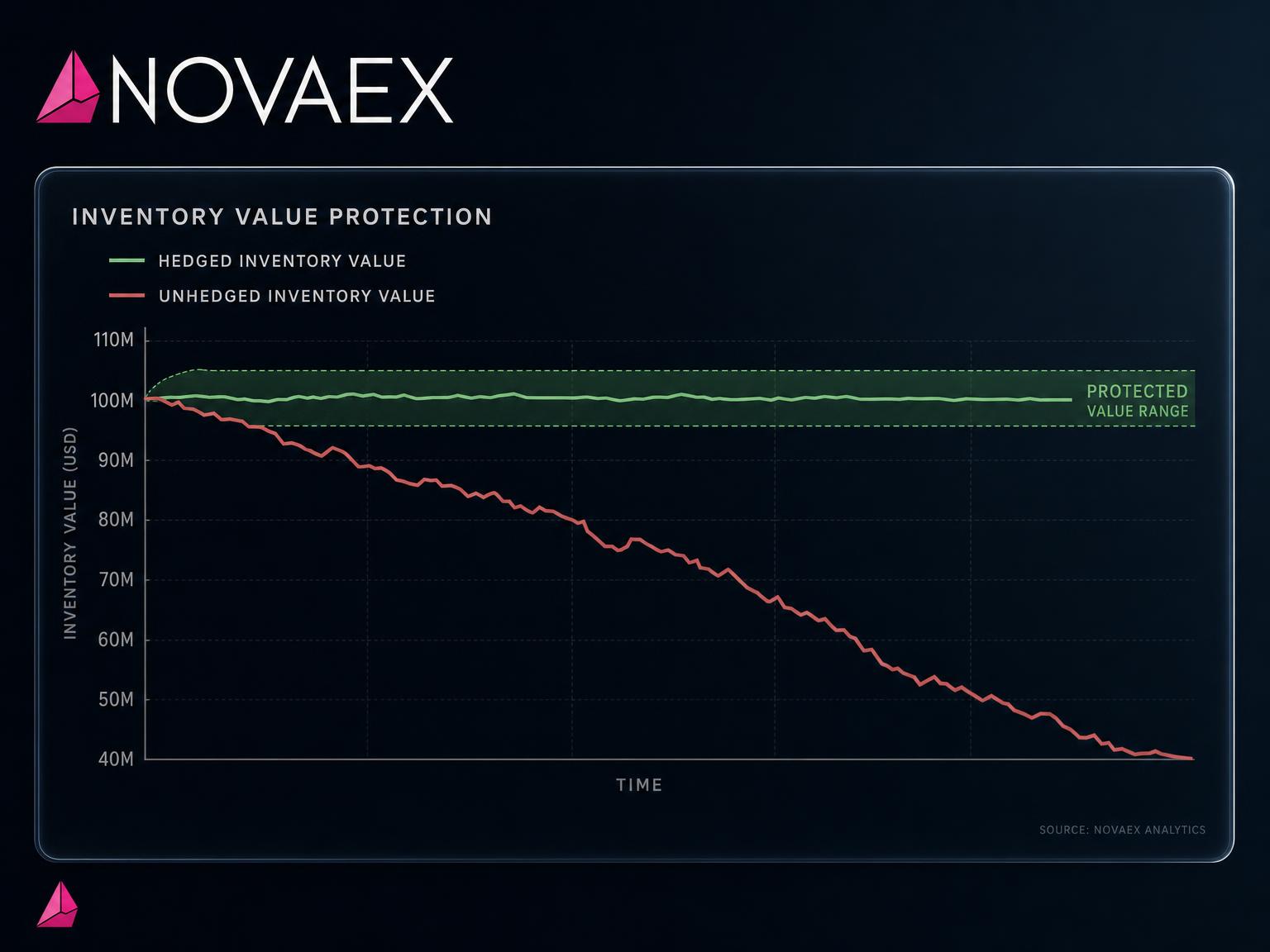
What the hedge holds on the P&L, what it never touched, and the page that gets the CFO into the room.
A producer's hedge protects the saleable value of metal you already hold and the margin on metal you have committed to sell. When the price falls, the short futures or swap gains against the physical loss, so inventory value and the quarter's EBITDA hold inside the hedged band. It does not lock profit or remove every cost between mine and sale.
What does a producer's hedge actually protect on the P&L?
A producer's hedge protects the value of finished and in-transit inventory against a price fall before it sells. The physical book loses value as the market drops, the hedge book gains by a matching leg, and the two together keep the quarter's realised margin near the level the board approved. That is the whole job.
The LME puts it plainly: producers and consumers use futures to offset adverse price moves in the physical market through a matching paper position, which is how unsold inventory holds its value in a falling market. How the LME describes hedging
For a smelter or refiner this shows up in two places. Stock on hand and on the water keeps a defensible carrying value. Approved production sold forward keeps its expected receipt. Both feed EBITDA because the metal margin stops moving with every print.
What doesn't the hedge protect?
The hedge does not protect what it was never placed against. Treatment and refining charges, freight, premiums, FX on costs, and the timing gap between purchase and sale all sit outside a straight price hedge. A hedge also caps the upside by design. If the price rises, the physical gains and the short gives it back.
Basis sits outside as well. Your cathode in Rotterdam or Durban is not the exchange warrant. Accounting guides make the same point with a copper inventory example: a short futures position offsets the price fall, but location and grade leave a residual difference that stays in earnings. PwC on fair value hedges of commodity inventory
Name these limits in the board pack. A CFO trusts a hedge framed as a band, not a promise that risk is gone.
How do you show coverage matches board policy?
Policy usually states a band: which tonnage may be hedged, in which contract, and to what prompt. Proof is a line-by-line match of physical lots to hedge lots against that band, with quotation periods and prompts shown.
Three checks carry the review:
Every hedged lot ties to a physical lot or a firm sale commitment, with the prompt shown
Unhedged tonnage is named as a choice inside policy, not found as a gap outside it
Broker confirmations agree with the hedge book on quantity and prompt
Where physical, hedge and broker books live apart, this match is the work. Done by hand at month-end, it arrives after the quarter has closed. Held in one reconciled view, it is ready on the day the question is asked.
On accounting, keep it generic and leave the treatment to your accountants and auditors. Whether inventory or a commitment qualifies for a given hedge treatment, and how gains and offsets are presented, is their call on your facts.
What should you bring to the quarter-end review?
Bring the position the CFO can test. Physical tonnage by lot with quotation period. Hedge lots by contract and prompt. Broker confirmations matched to both. The exceptions listed separately: unhedged tonnes, mismatched prompts, open breaks with an owner and a date.
Put the protected band on one page. Inventory value with the hedge flat across the price move, inventory value without it falling away. The chart does not argue. It shows what the hedge held and what sat outside it.
Square it before the desk opens and the review stays a review.